DPI and Resolution
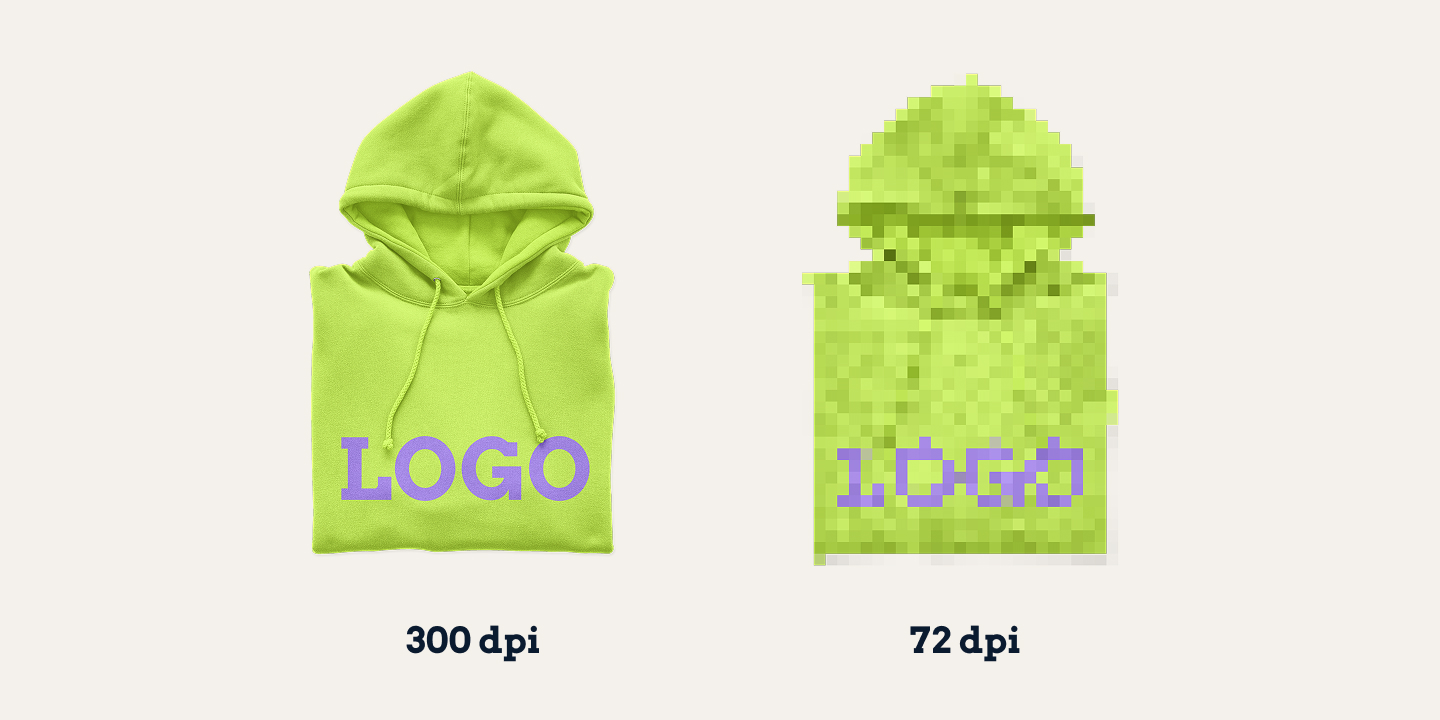
DPI is the number of pixels or dots in an inch of an image. A raster file for print needs enough pixels at the final print size - roughly 300 DPI is the working standard, and a low-DPI web image is never enough.
Intro
DPI and resolution are the two words that describe whether a raster (photo) file prints clean or soft. This is the plain-language answer to what DPI is, how much you need, and the honest working standard of 300.
What DPI means
DPI means dots per inch - how many pixels (dots) of the image sit inside one inch. The more dots per inch, the more detail the printer has to work with, and the sharper the print.
The resolution of the file and the DPI at the final print size ask the same question twice. A photo printed at 300 DPI at its final size is sharp. The same image exported small and then stretched up is not - stretching spreads the same pixels over more space, and the print goes soft.
How much you actually need
There is no single number that fits every job, but the standard is 300 DPI at the final print size. A 72-DPI web image - a screenshot, a logo pulled from a website - is a fraction of the pixels a print file needs. It might look fine on screen and print noticeably soft.
So when a client sends a low-DPI file, we ask for a better version first. If none exists, SoMerch re-vectors simple logos in-house - text, shapes and badges can be rebuilt from a raster source - so the logo prints crisp rather than falling apart.
How SoMerch fits in
The file check at intake looks at the resolution and the DPI at final size before we set anything to production. Low-DPI is a fixable step, not a dead end - we flag it early and work out the better file with you.
The honest rule
Raster needs enough pixels at the final print size - roughly 300 DPI. A 72-DPI web image isn't enough, and we sort out a better original before producing.
The short version
DPI is how many dots sit in an inch of your image. For print, a raster file needs enough pixels at the final size - around 300 DPI as the working standard. We check this before we produce, and find the better file if yours comes in low.