CE Marking
CE marking is a conformity mark that shows a product meets the EU safety rules that apply to it, for the product types that require it. It is not a certification, not a quality rating, and not something you request - it signals legal market access within the EU.
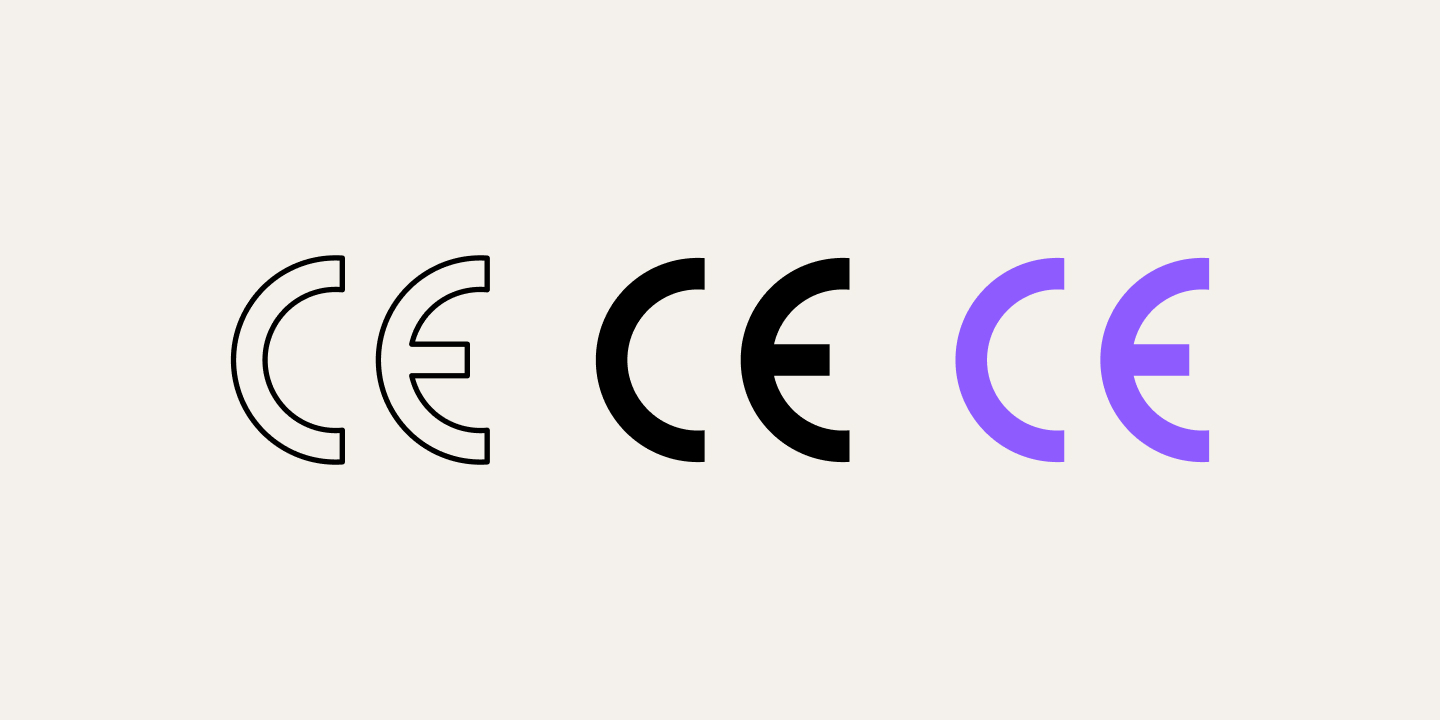
What CE marking actually is
CE stands for Conformité Européenne - European Conformity. It is a mark a manufacturer places to declare that a product meets the safety or other requirements of the European directives that apply to it. It is a sign of compliance with the EU rules for a particular product category.
The word to keep hold of is conformity. CE does not assess a product against an absolute standard of quality - it says the product meets the specific EU requirements that cover it. The manufacturer is responsible for placing the mark and keeping the technical file that supports it.
Which products need it
CE marking is not universal. It applies only to the product categories covered by EU legislation that require the marking. Common categories include electrical products, electronics, toys, and certain safety-relevant equipment. If a product is not within one of these covered categories, there is no CE requirement for it - and the absence of a CE mark on such a product is not a problem.
This is the key to reading CE correctly: whether CE is relevant depends on what the product is, not on the general quality of the item.
What CE marking is not
The boundaries matter, because CE is often mistaken for something friendlier:
- Not a certification. It is a self-declared conformity mark, not a certificate from a third party.
- Not a quality or eco badge. It says the product meets the applicable safety/conformity rules, not that it is high quality or sustainable.
- Not an indication of origin. It is not "Made in the EU"; it is a conformity sign.
- Not a general safety blanket for merchandise. It applies to the specific regulated categories, not to all products.
Confusing CE with a certification is common, and it leads buyers to ask for it where it does not apply, or to read it as a quality endorsement it is not.
CE and merchandise
In a merch context, the practical question is whether the product falls in a regulated category. Most soft goods and stationery - apparel, totes, notebooks, and similar - are not in a CE-mandated scope, so CE marking does not apply to them and its absence is not a concern. Powered or electronic items, toys in some countries, and a few other categories do sit in scope, and for those the CE mark is relevant.
So before any single item, the question is not "does this merchandise carry a CE because it is quality?" - it is "is this product in a category where CE is required?" For the majority of merch, that answer is no, and the mark does not come into play.
The frame for a buyer
The most useful takeaway for a merch buyer: CE marking is category-specific market access, not a badge of general quality. Ask whether the specific product type is in a regulated scope, and for those types, make sure the required marking is in place. Do not go looking for a generic CE on a hoodie or a notebook - it would not be there for a reason, and that is the good outcome.
Closing
CE marking is a conformity declaration for products within certain EU-regulated categories, a compliance signal, not a quality certification. Understand the category of the product and whether CE applies to it, and you will keep this mark in the right place.